RIP Magic Leap Headsets

It is official: Magic Leap is no longer making its own headsets. Our thoughts are with everyone affected by the layoffs. May you land on your feet; any team will be lucky to have you.

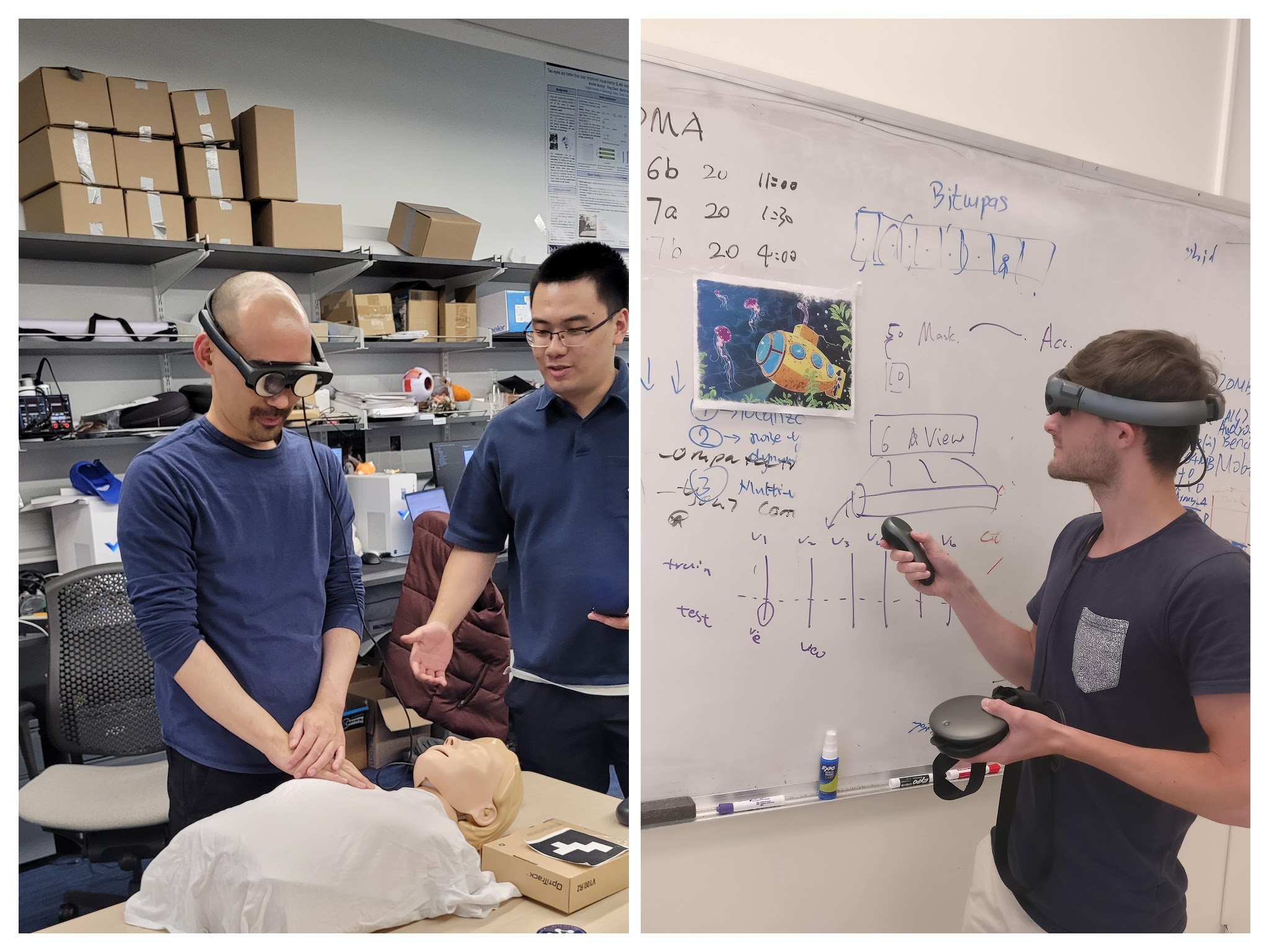
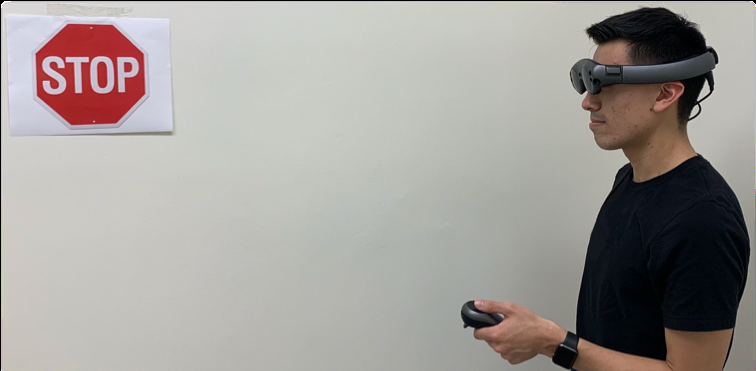
Magic Leap has a very special place in the XR research ecosystem: this headset became a true workhorse for XR research labs using eye tracking to study attention and spatial interaction. Its compact form factor made it uniquely practical for experiments involving mobile cognition and substantial head-and-body movement, such as our lab’s work with AR-assisted CPR. 

Magic Leap’s stunning, memorable early claims were lightyears ahead of its readiness; yet the technical and scientific value of what Magic Leap did deliver was undeniable. We loved it, as a tool for studying human attention in XR. Alas, the brutal economics of high-end hardware – hardware is hard! – made it unsustainable to build such advanced, elaborate tools for the niche market the headsets ended up serving. RIP Magic Leap headsets. You will be missed.

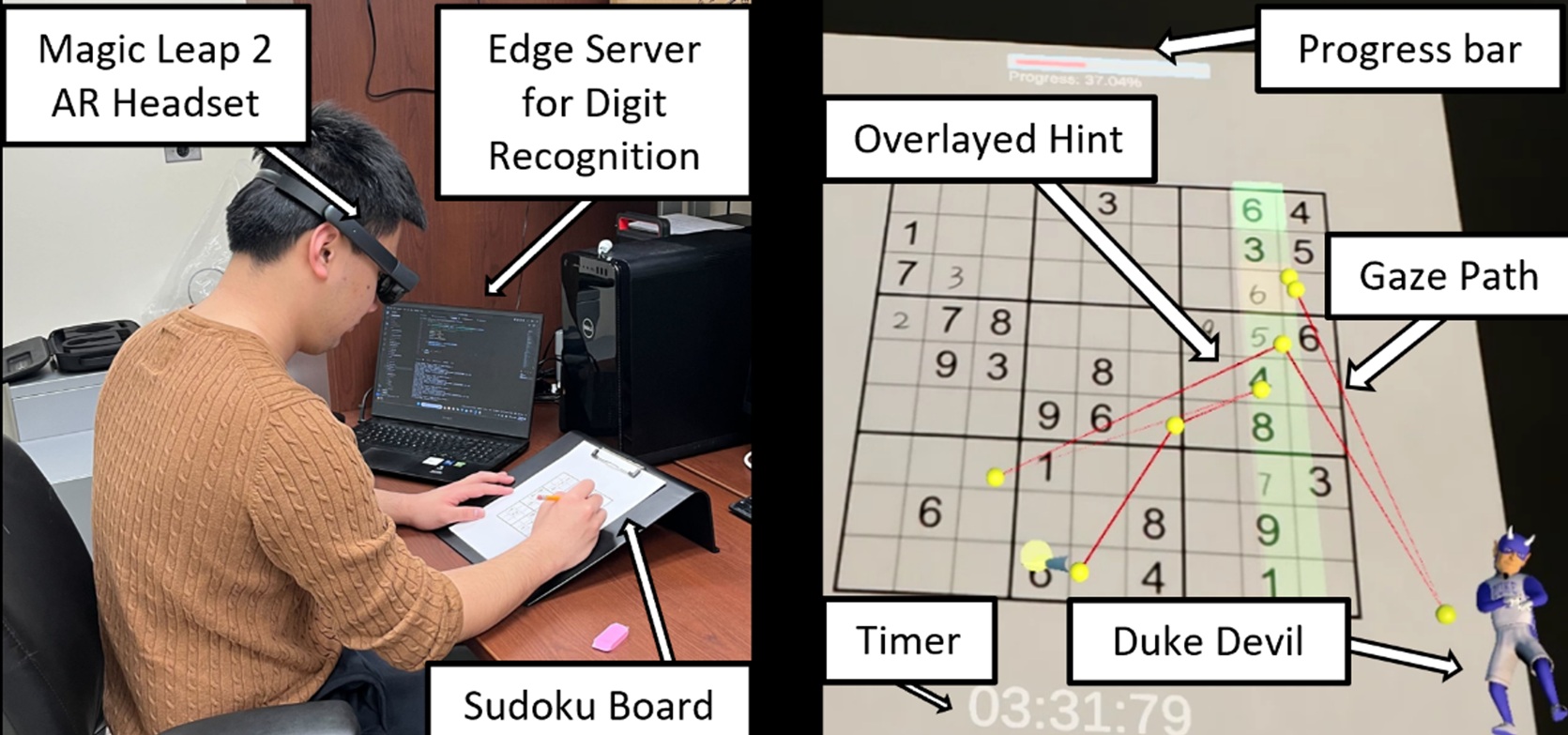
A small tribute from Duke I3T Lab: Our Magic Leap–based evaluations of user attention during Sudoku solving and AR-assisted CPR (IEEE ISMAR 2024 and 2025), alongside our earlier work on AR safety and security.
About Maria Gorlatova

Dr. Maria Gorlatova is the Sternberg Family Associate Professor of Electrical and Computer Engineering at Duke University. Her research centers on pervasive computing technologies, with a focus on spatial computing and next-generation augmented reality. She received her Ph.D. in Electrical Engineering from Columbia University and her M.Sc. and B.Sc. degrees (Summa Cum Laude) in Electrical Engineering from the University of Ottawa, Canada. She spent two years at Princeton University’s Electrical Engineering Department as an Associate Research Scholar and Associate Director of the Princeton University EDGE Lab. Dr. Gorlatova was named one of the N2Women Rising Stars and has received multiple awards, including the NSF CAREER Award, the DARPA Young Faculty Award (YFA), the DARPA Director’s Fellowship, the IEEE ISMAR 2025 Best Paper Award, the IEEE Communications Society Award for Advances in Communications, and research awards from Meta, Cisco, and IBM. She served as the TPC Co-chair of ACM/IEEE IPSN 2023, the General Co-Chair of the 2025 NSF Workshop on Networking and Systems Challenges in Immersive Computing, and the TPC Co-chair of ACM/IEEE SenSys 2025.
This entry was posted in Augmented reality, Perspectives, Technology. Bookmark the permalink.

Leave a Reply

Your email address will not be published. Required fields are marked *