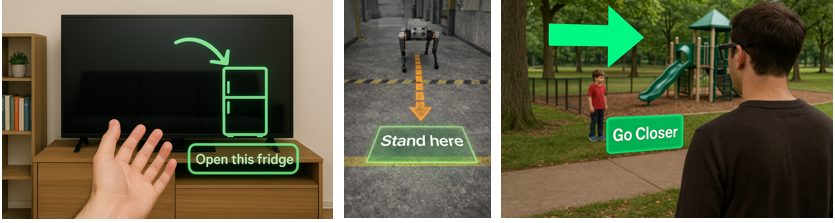
The hill I will die on: we will need AI glasses for work, and for helping us with well-defined, specific tasks, long before we will need AI glasses worn continuously, all day every day.
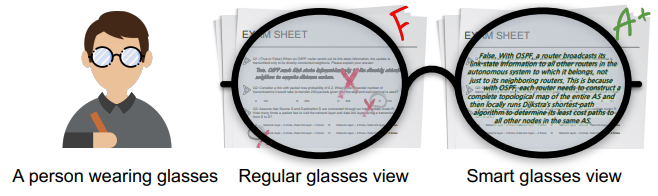
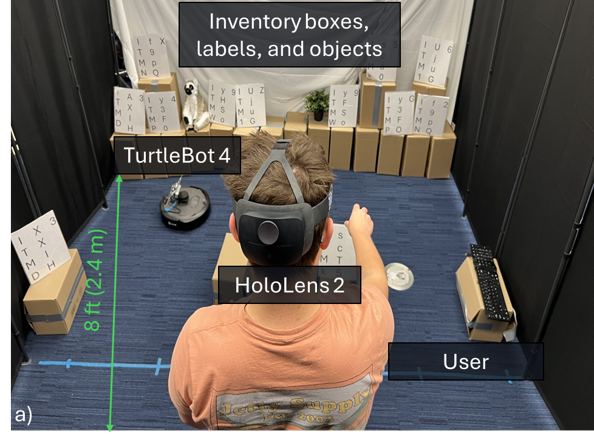
Humans already use eyewear extensively as specialized equipment. Loupes. Safety goggles. Welding glasses. Reading glasses when needed. The leap from putting on reading glasses to knit to putting on smart glasses to repair a coffeemaker is not large. Smart glasses + AI are an immediate asset here, offering clear and unquestionable value (once the remaining AI kinks are worked out): they can help people complete tasks faster, make fewer mistakes, and stay safer. Likewise, glasses are an immediate aid for humans working with robots: a robot’s internal state is largely invisible to the human supervising it; a head-mounted interface can display that state, show intentions and warnings, and make human oversight far more efficient. Smart glasses as specialized gear are easy to understand and easy to justify.
All-day smart glasses though – that is a whole other animal. There is little precedent, aside from assistive and medical devices, in relying on a device to help you all the time, all day every day. In certain circumstances, people may desire continuous support: e.g., when trying to change entrenched behavior, or feeling that their own resources are overwhelmed. These are important use cases, with real potential to improve people’s lives. We wrote about using smart glasses for supporting personal development and change before, and I am as excited to work towards realizing this important vision as ever.
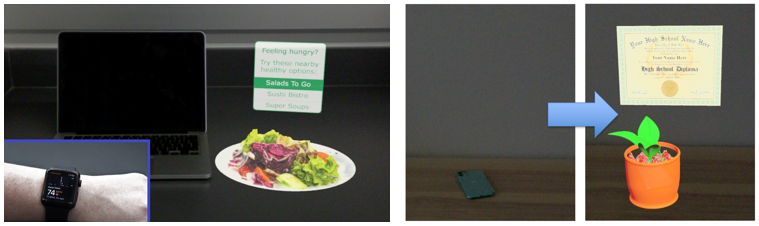
AI smart glasses have the potential to be an aid for people who seek development and change. More in our 2022 position paper.
Continue reading →